
You want a warm home, but your furnace isn't functioning. Should you get it fixed, or is it time to buy a new unit? Choosing between furnace repair and furnace replacement services involves examining multiple factors, including your safety, home comfort and indoor air quality. You must also consider your current heating equipment's age and performance.
Should You Repair or Replace Your Furnace?
Look for these signs your furnace is failing:
- Uneven performance or cold spots in your home
- Climbing heating bills despite your usage patterns remaining the same
- Repeated furnace breakdowns that leave you rushing
- Peculiar noises or ongoing odors
While standard repair addresses some of these problems, persistent or worsening symptoms are often danger signals that your old furnace is ready to retire.
Quick Fixes That Can Keep You Warm
Sometimes, furnace repair services are all you need to address the problem. Issues like clogged filters, thermostat malfunctions or minor electrical problems are usually affordable to resolve. The cost of furnace repair is less than replacement, especially if your system is still within the average lifespan of a furnace (about 15 to 20 years).
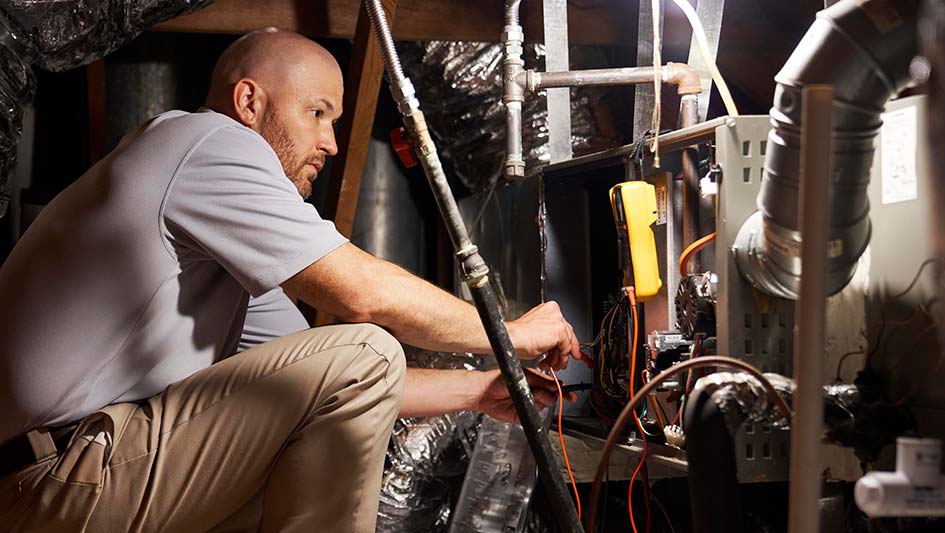
Choosing to repair your HVAC equipment makes sense if your furnace is fairly recent or still under warranty. An experienced technician can restore your comfort without the expense of a total upgrade. Don't forget that regular furnace maintenance, tune-ups and annual inspections are the best ways to keep your system running efficiently season after season.
Is It Time to Stop Pouring Money Into Repairs?
It may be time to consider replacing your furnace if it is more than 20 years old and you're making constant service calls or dealing with a serious component failure such as a cracked heat exchanger. Aging units can create risks such as carbon monoxide leaks, while modern, high-efficiency furnaces deliver better performance and lower bills.
The up-front cost to replace a furnace may feel steep, but replacement is often a wise long‑term investment compared to growing repair bills and the stress of repeated breakdowns. New, energy-efficient furnaces may also be eligible for rebates that make the transition more budget-friendly.
Repair Costs vs. Replacement Value
The furnace repair vs. replacement cost equation is important. Let's compare a few factors that influence the cost of furnace repair and the cost to replace a furnace.
Replacement might be your best choice if your repair costs add up to more than half the price of a new unit.
Don't forget to incorporate efficiency gains. Rebates and reduced utility bills can balance out the upfront costs.
Ask about financing your furnace installation and splitting the total price into installments that fit your budget.
When to Seek Professional Advice
Are you ready to start examining your choices? A authorized HVAC technician can help you weigh the pros and cons of gas vs. electric furnaces, explain the warranty on new furnaces and recommend extra add-ons like smart thermostats, which give you more control over your home comfort and optimize HVAC efficiency. Professional input lets you make more informed, thoughtful choices for your long‑term comfort.
Deciding whether to repair or replace isn't always easy, but you can make the call by looking for signs of furnace failure and comparing costs. No matter what you choose, the goals are the same – steady heat, improved efficiency and security.